


Bridal
50 Most Beautiful Bridal Mehndi Designs 2026
From full Arabic patterns to minimal modern styles — discover the most stunning bridal mehndi designs trending in 2026.
8 min read
Read more 
Design Categories

Bridal · Arabic · Pakistani · Eid · MinimalFree to download — updated daily


New Designs
Added daily
What's Hot
Explore
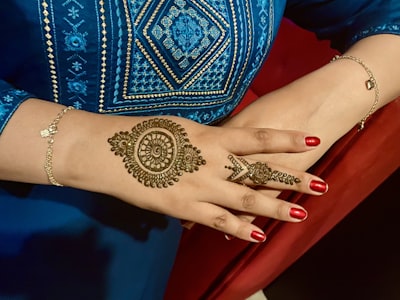
Bridal
48+ designs
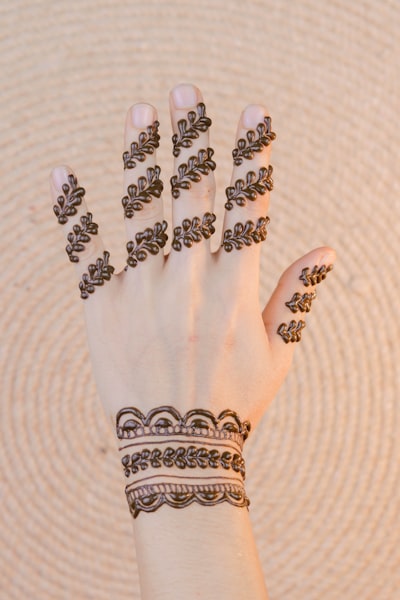
Arabic
62+ designs
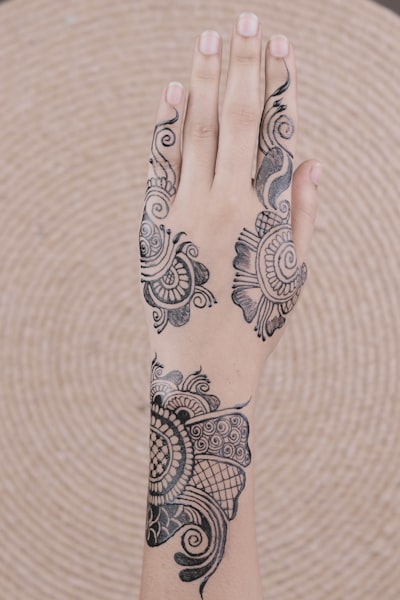
Pakistani
35+ designs
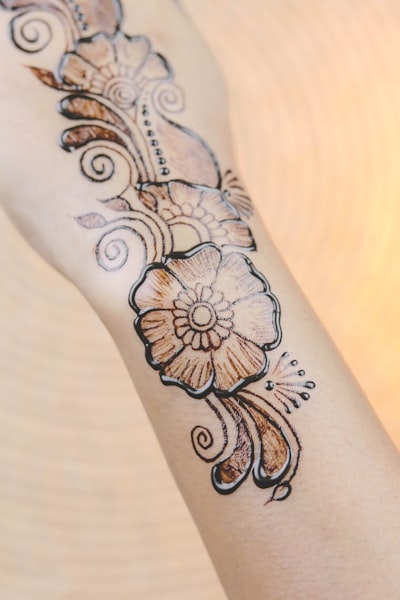
Eid
40+ designs
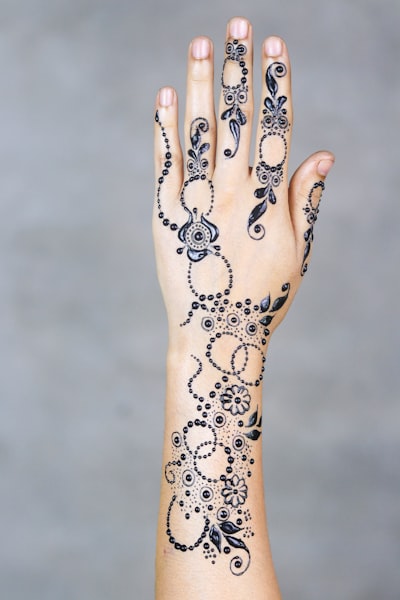
Finger
28+ designs
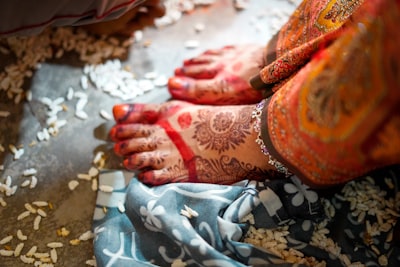
Feet
22+ designs
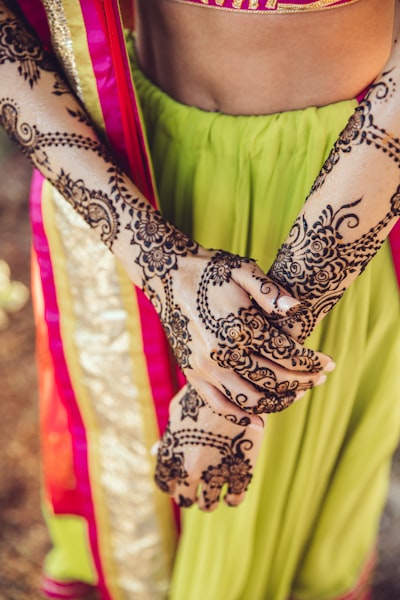
Minimal
30+ designs
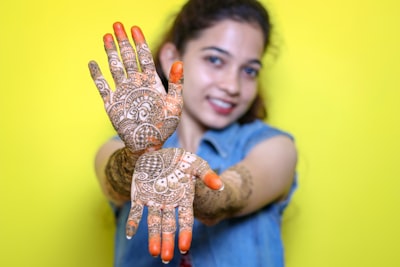
Kids
18+ designs
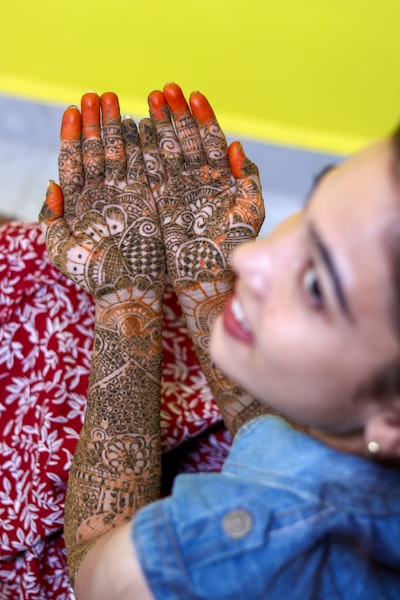
Back Hand
25+ designs
Indian
33+ designs
Stylish
20+ designs
Front Hand
27+ designs
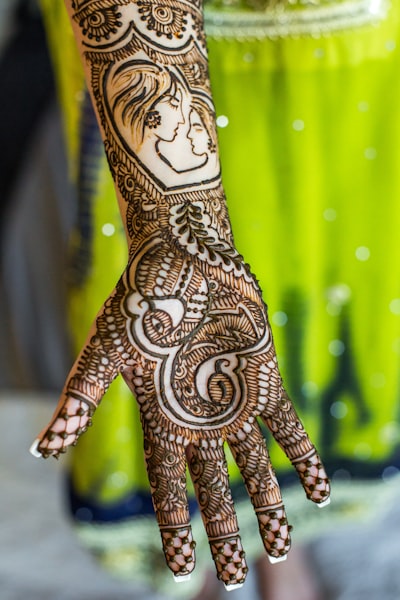
Tattoo
45+ designs
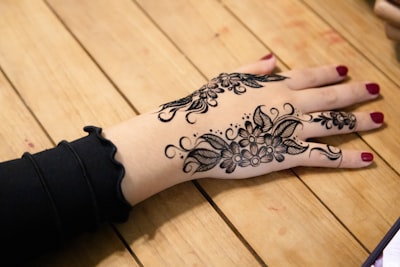
Floral
38+ designs
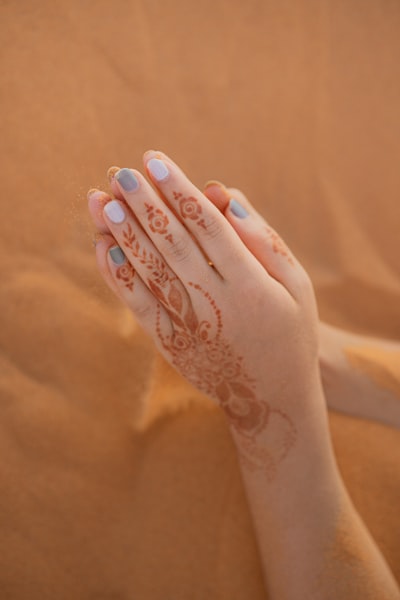
Circle
32+ designs
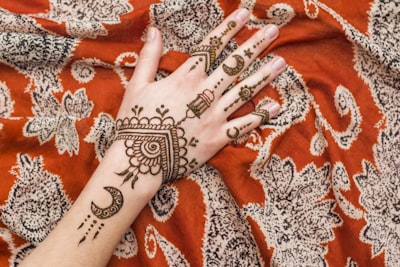
Gol Tikki
29+ designs
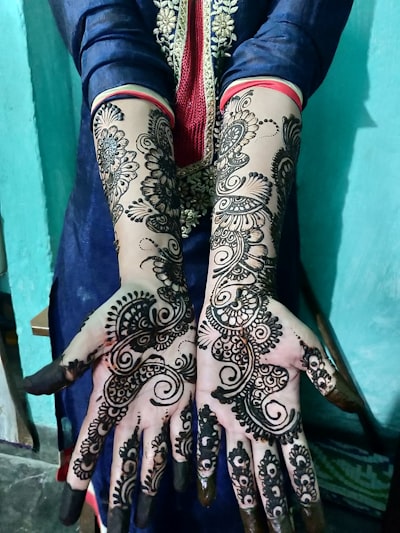
Easy
44+ designs
Engagement
36+ designs
Peacock
34+ designs
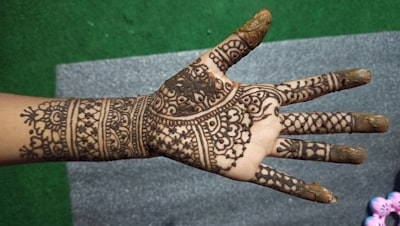
Mandala
33+ designs
Dulhan
42+ designs
Jewellery
30+ designs
Half Hand
31+ designs
Wrist
28+ designs
Rajasthani
32+ designs
Moroccan
26+ designs
Jaal
27+ designs
Khafif
29+ designs
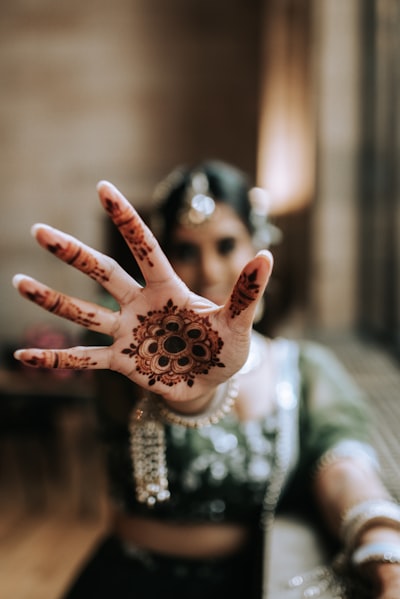
Shaded
25+ designs
Rose
32+ designs
Lotus
28+ designs
Vine
26+ designs
Dotwork
24+ designs
Mughal
22+ designs
Sudani
20+ designs
Indo Arabic
35+ designs
Leg
24+ designs
Shoulder
20+ designs
Nail Art
22+ designs
White
26+ designs
Glitter
24+ designs
Kundan
22+ designs
Paisley
28+ designs
Heart
24+ designs
Groom
26+ designs
Karwa Chauth
30+ designs
Teej
28+ designs
Palm
30+ designs
Heavy
34+ designs
Full Hand
38+ designs
Godh Bharai
20+ designs
Diwali
28+ designs
Wedding Guest
30+ designs
Showing 24 of 200 designs
Tips & Tutorials
50+ hand-picked designs for Eid celebrations — from simple to elaborate

Mehndi, also known as henna, is one of the world's oldest forms of body art. For thousands of years, women across South Asia, the Middle East, and North Africa have adorned their hands and feet with intricate mehndi patterns as a symbol of beauty, celebration, and tradition.
The word mehndi comes from the Sanskrit word mendhikā, which refers to the henna plant (Lawsonia inermis). The leaves of this plant contain a natural dye called lawsone that bonds with the keratin protein in skin and hair, creating a rich reddish-brown stain that can last 1 to 3 weeks. The henna plant grows in hot, arid climates — it is cultivated in abundance in Rajasthan (India), Pakistan, Yemen, Egypt, and Morocco.
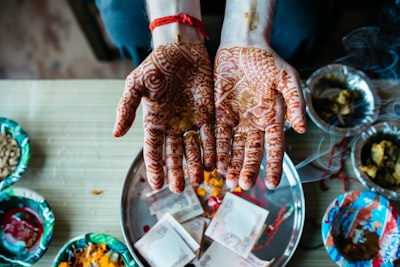
In South Asian culture, mehndi is an essential part of wedding ceremonies. A bride's mehndi is believed to represent the depth of love in her marriage — the darker the mehndi color, the stronger the bond between the couple. Mehndi ceremonies, called Mehndi Rasam, are joyful pre-wedding celebrations where family and friends gather, sing traditional songs, and apply henna. The function is typically held 1–2 nights before the wedding and is considered as important as the nikah itself in many families.
Beyond weddings, mehndi is applied during Eid, Diwali, Teej, Karva Chauth, Navratri, and many other festivals. It is also applied for birthdays, engagements, baby showers (Godh Bharai), and as everyday adornment. Today, mehndi has evolved into a global art form, with modern artists combining traditional patterns with contemporary geometric and minimalist designs, and professional mehndi artists charging thousands of rupees for a single bridal application.
Archaeological evidence suggests that mehndi was used in ancient Egypt — mummies have been found with henna-stained nails and fingertips dating back over 5,000 years. In the Mughal era, mehndi was elevated into a fine art form in the Indian subcontinent, and many patterns that are popular today trace their origins to that royal period. The intricate paisley (mango motif), floral jaal patterns, and peacock designs that define classic mehndi all flourished under Mughal patronage.

From heavy bridal patterns to simple everyday mehndi, there is a design for every occasion and skill level. Here are the most popular styles you will find on MehndiDesignPics.

Your wedding day is the most important occasion, and bridal mehndi deserves careful planning. Here is everything you need to know.
When to apply bridal mehndi: The ideal time to apply bridal mehndi is 1–2 days before the wedding. This allows the color to fully oxidize and reach its peak darkness. Applying it too early (3+ days) may cause the color to fade, while applying it on the wedding day leaves no time for the color to develop. Most experienced mehndi artists recommend the night before as the sweet spot.
How long to keep it on: For the deepest bridal color, keep the mehndi on for a minimum of 8–12 hours. Many brides sleep with the mehndi on overnight, wrapping their hands lightly in tissue paper to protect clothing and bedding. The longer you leave it, the darker and longer-lasting the color. Removing it after only 2–3 hours will give a pale orange result.
Choosing the right design: In 2026, the most popular bridal mehndi styles include full-hand Arabic patterns, fusion Pakistani-Arabic designs, portrait mehndi (groom's face), and minimal bridal designs for modern brides. The style you choose should complement your bridal outfit — heavy traditional dresses pair beautifully with full Pakistani designs, while lighter outfits suit elegant Arabic patterns.
Bridal mehndi for both hands: Traditional mehndi covers both hands fully, often extending up the forearms. Many modern brides opt for a heavy design on one hand and a lighter complementary design on the other. Feet mehndi is also traditionally applied to match the hand designs.
Finding a mehndi artist: Always book your mehndi artist at least 2–3 months before your wedding, especially during peak wedding season (October–March in Pakistan). Ask to see their portfolio, check their Instagram, and request a patch test if you have sensitive skin. Confirm the appointment and design details one week before the wedding.
Pro Tip for Darker Bridal Mehndi
After removing the dried mehndi, avoid washing with water for at least 6 hours. Apply a thin layer of mustard oil or clove oil over the design — the heat from cloves reacts with the henna to produce a significantly darker color. You can also hold your hands briefly over warm steam to boost color intensity.
Arabic mehndi is the most popular style worldwide thanks to its bold floral motifs, flowing vines, and beautiful use of negative space. It looks stunning on both the front and back of the hand.


What distinguishes Arabic mehndi from other styles is the strategic use of empty space. Instead of densely covering the entire hand, Arabic designs use bold single motifs — a large rose, a graceful leaf cluster, or an intricate vine — surrounded by open skin. This negative space makes each element stand out dramatically and gives the design a modern, fashion-forward quality.
Arabic mehndi for beginners: If you are learning mehndi at home, Arabic style is the best place to start. Simple Arabic flowers and teardrop shapes require only basic cone control and can be mastered in a few practice sessions. Start with single flowers on individual fingers before attempting full hand designs. Use a toothpick to add fine dot details until your cone work improves.
Popular Arabic motifs: The most common Arabic mehndi elements include large roses, lotus flowers, leafy vines, peacock feathers, mandala centers, paisleys, and crescent moon shapes. Combining just two or three of these creates a beautiful and balanced design without overwhelming the hand.
Gulf vs. Moroccan Arabic styles: Gulf Arabic mehndi tends to use thicker lines and bold fills, while Moroccan Arabic mehndi features more geometric patterns and fine detail work. Both are beautiful in their own way and are often combined in modern fusion designs.
In 2026, the trending Arabic styles include asymmetric designs (different patterns on different fingers), rose-heavy patterns, Arabic with white henna accents, and Arabic bridal designs that incorporate the groom's initials subtly within the floral patterns.
Arabic mehndi for Eid: Arabic style is especially beloved for Eid celebrations because it can be applied quickly and looks instantly polished. A simple Arabic back hand design can be completed in under 30 minutes, making it ideal for applying fresh mehndi on Eid eve or even Eid morning.
Pakistani mehndi is celebrated worldwide for its unmatched intricacy. Dense jaal patterns, fine tikki work, and elaborate geometric arrangements make Pakistani designs the gold standard for bridal mehndi.
Pakistani mehndi is distinguished by its extreme density and fine linework. Where Arabic mehndi embraces space, Pakistani designs fill every inch of the hand with intricate patterns. A single Pakistani bridal design can contain hundreds of tiny motifs — flowers, paisleys, geometric nets (jaal), dots, and fine cross-hatching — all layered together into a breathtaking composition.
Key elements of Pakistani mehndi: The signature elements include jaal (a fine net or lattice pattern), tikki (round filled medallion motifs), kairi (mango/paisley shapes), and intricate border work along the wrists and fingers. The tips of all fingers are usually fully filled with henna, creating a dramatic frame for the hand design.
Pakistani bridal mehndi: Pakistani bridal mehndi is among the most elaborate in the world. It covers both hands fully, extends up the forearms, and is paired with detailed feet mehndi. The groom's name is traditionally hidden within the design — the wedding night often begins with the groom searching for his name, creating a playful tradition.
Regional variations: Lahori mehndi is known for its extremely fine, dense work. Karachi designs tend to incorporate more modern elements and fusion styles. Multan and interior Sindh have distinct regional patterns featuring local motifs and brighter color applications using natural additives.
How long does Pakistani mehndi take? Due to its complexity, Pakistani full-hand bridal mehndi typically takes 4–8 hours to apply. Some highly detailed designs require two sessions spread across two days. Professional mehndi artists in Pakistan train for years to develop the speed and precision needed for this style.

You do not need to visit a parlour to get beautiful mehndi. With the right henna paste, a good cone, and a little practice, you can create stunning designs at home.
Mix 100g natural henna powder with 2 tablespoons of lemon juice, 1 teaspoon of sugar, and 2–3 drops of eucalyptus oil. Blend until smooth, cover with plastic wrap and let it rest for 6–12 hours. The longer it rests, the darker the dye release. The paste should be the consistency of thick toothpaste — not too runny, not too stiff.
Wash your hands thoroughly and dry completely. For better absorption, apply a thin layer of eucalyptus oil or clove oil on your skin before applying mehndi. Avoid using lotions or moisturizers as they create a barrier that prevents henna dye from penetrating deeply into the skin.
Use a plastic mehndi cone or create your own from a zip-lock bag. Fill it ¾ full to avoid excessive pressure. Practice the pressure and flow on paper before starting on skin. Cut a tiny opening at the tip — smaller opening equals finer lines. Wrapping the filled end with tape helps maintain consistent pressure.
Begin with the main outline of your chosen design. Keep your hand relaxed and move the cone smoothly and consistently. Work from one side of the design to the other to avoid smudging. Reference a design from MehndiDesignPics on your phone or tablet. If you make a mistake, wait for the paste to dry slightly and then scrape it off carefully with a toothpick.
Once the outline is complete, add inner details, dots, and fill in the shaded areas. For a professional finish, keep consistent spacing between design elements. Dot patterns (bindi work) are created by holding the cone vertically and pressing gently without moving — practice this separately before adding it to your design.
Allow the mehndi to air-dry for 30–45 minutes. Once dry, apply a lemon-sugar solution (equal parts lemon juice and sugar) using a cotton ball to keep the mehndi moist and seal the design. This significantly darkens the final color by preventing the paste from cracking and falling off prematurely.
After 6–12 hours, scrape off the dried mehndi — do not wash it off with water. Rub mustard oil or coconut oil over the design. Avoid water for another 6 hours. Your mehndi will continue to darken over the next 24–48 hours as the dye oxidizes in contact with air.


The color depth of mehndi depends on many factors — the quality of henna, preparation, application technique, and aftercare. Follow these proven tips for the best results.
Always use 100% natural henna powder without chemical additives. Black henna contains PPD which can cause severe allergic reactions and is harmful to skin. Pure henna gives the best natural reddish-brown color and is safe for all skin types including children.
Apply a lemon-sugar mixture on dried mehndi every hour while wearing it. This keeps the paste moist and pushes more dye into the skin for a darker stain. The acid in lemon juice also helps break down the skin's surface slightly, allowing deeper dye penetration.
The most important tip: keep the mehndi on for 8–12 hours minimum. Overnight application is ideal. Every extra hour of contact time means significantly darker color. Removing mehndi after only 2–3 hours will result in a pale, orange stain that fades quickly.
After applying mehndi, exposing your hands to gentle heat — like sitting near a heater or warm lamp — speeds up the dye release and intensifies the color. The warmth opens skin pores slightly, allowing the lawsone dye to penetrate more deeply into the keratin layer.
Do not wash the design area for at least 12–24 hours after removing the paste. Water exposure immediately after removal is the number one cause of light, patchy mehndi. The color needs time to fully oxidize in air before it can withstand water contact.
After scraping off the paste, immediately rub mustard oil or clove oil into the design. The compound eugenol in clove oil reacts with henna to produce a significantly darker stain. Warming the oil slightly before applying enhances this effect.
Apply coconut oil or body oil to your mehndi design every day. Well-moisturized skin retains mehndi color for up to 3 weeks, while dry skin causes rapid fading. Avoid exfoliating or scrubbing the design area while you want to preserve the mehndi.


Mehndi art evolves every year with new styles, fusion techniques, and innovative motifs. Here are the hottest mehndi trends taking over Instagram and weddings in 2026.
The minimalist movement has hit mehndi in a big way. Thin, precise lines, single flower motifs, and barely-there finger designs are dominating 2026. This style appeals to modern brides and working women who want elegant mehndi that does not overwhelm. Fine-line mehndi requires exceptional cone control and a very thin tip — the result looks almost like delicate tattoo art.
Artists are combining the dense detail of Pakistani mehndi with the flowing floral elegance of Arabic style, creating dramatic designs that have the best of both worlds. These fusion designs feature Arabic florals in the center with Pakistani jaal borders — particularly popular for bridal mehndi in 2026 across both Pakistan and India.
Incorporating portraits of the bride and groom, couples' hobbies, travel destinations, and meaningful symbols into mehndi designs is a growing trend. Every design becomes a unique story told through henna. Skilled artists can capture facial likenesses in as little as 4×4 cm — a remarkable technical achievement.
White henna (actually a body-safe paint, not true henna) is being used alongside traditional henna to create striking two-tone designs. White accents add a jewellery-like quality to mehndi patterns and photograph beautifully, which has driven their popularity in the age of Instagram and bridal photography.
Sharp geometric shapes — triangles, hexagons, mandalas, and grid patterns — are replacing some traditional motifs in contemporary mehndi designs. These patterns look striking on the back of the hand and forearm. The geometric trend bridges the gap between mehndi and modern body art, attracting younger audiences who may not traditionally have worn mehndi.
Full arm mehndi designs that extend from wrist to elbow — or even shoulder — are gaining popularity. These elaborate sleeve designs, inspired by floral tattoos, are especially sought-after for bridal occasions and are often combined with traditional hand mehndi for a seamless, full-coverage look.
Ready-to-apply designs that take under 10 minutes are trending for Eid and festive occasions. Simple arabesque finger mehndi, single roses on the wrist, and thumb nail mehndi patterns allow everyone to look festive without hours of waiting. Ready-made mehndi cones from parlours make these even more accessible.


Eid is incomplete without mehndi. From quick finger designs to elaborate back hand patterns, discover everything about choosing and applying the perfect Eid mehndi.
Across Pakistan, India, Bangladesh, and Muslim communities worldwide, applying mehndi before Eid is a beloved tradition. The Prophet (PBUH) encouraged the use of henna, and it has become an integral part of Eid celebrations for women and girls of all ages. The excitement of applying new mehndi the night before Eid adds to the festive anticipation.
Best Eid mehndi designs for 2026: Simple Arabic florals remain the top choice for Eid because they look beautiful and apply quickly. Back hand designs with a central flower and extending vine work are very popular. Finger mehndi — covering just the fingers with graduated patterns — is perfect for those short on time. For girls who want more coverage, half-hand designs strike the perfect balance.
When to apply Eid mehndi: Apply mehndi on Chand Raat (the night before Eid) for the best results. This gives the henna 8–10 hours to develop overnight, and by the time you wake up for Eid prayers, the mehndi will have reached its deepest color. The whole family can apply mehndi together — it is a cherished part of the Chand Raat celebration.
Eid mehndi for children: Children love mehndi for Eid. Simple stars, hearts, small flowers, and their name written in mehndi make them feel special. Always use natural henna for children and keep designs small and quick-drying. Avoid leaving mehndi on children for more than 2–3 hours as their skin is more sensitive.
Mehndi parlours on Chand Raat: Professional mehndi artists set up stalls and parlours on Chand Raat in bazaars, parks, and shopping areas across Pakistan. They offer a wide range of designs at affordable prices. If you plan to visit a parlour, go early to avoid long queues — popular artists can have waiting lists of 2–3 hours on Chand Raat evening.
Whether you are a bride, celebrating Eid, attending a family event, or just want beautiful everyday mehndi, there is a perfect design for every moment.
Having the right tools makes all the difference between amateur and professional-looking mehndi. Here is a complete guide to the supplies you need to get started.
Ready-made plastic mehndi cones are available at every mehndi supply shop and online. For beginners, buy a pack of 12–24 pre-filled natural henna cones. For advanced users, buy empty cones and fill them with fresh homemade paste. The quality of the cone tip directly affects line precision — invest in quality cones.
Always choose body-quality henna powder with a bright green color and fresh earthy smell. Rajasthani henna from Sojat (India) is considered the finest quality globally. Store henna powder in an airtight container in a cool, dry place. Old or poorly stored henna gives weak, pale stains regardless of technique.
Fresh lemon juice is essential both in the henna paste and as a sealant applied during wear. Sugar adds stickiness that helps the paste adhere to skin and prevents early cracking. Mix equal parts lemon juice and sugar, heat gently until sugar dissolves, and apply with a cotton swab while wearing mehndi.
Eucalyptus oil, clove oil, cajeput oil, and lavender oil are all used in mehndi paste to boost dye release. A few drops of these oils in the paste significantly deepen the final color. Eucalyptus and tea tree oils also help preserve the paste and prevent bacterial growth during the resting period.
Good design references are essential for quality mehndi. MehndiDesignPics offers 3000+ high-resolution designs across 50+ categories, all free to browse. Print your chosen design or keep it on your phone screen for reference while applying. Professional artists build a design library over years of practice.
Mustard oil, coconut oil, olive oil, and clove oil are all used for mehndi aftercare. Apply immediately after removing the dried paste and continue applying daily to maintain color. Avoid petroleum-based products and heavy chemical creams on mehndi as these can strip the color faster.
Children love mehndi, especially at Eid and weddings. Here is everything parents need to know about safe mehndi application for kids and the best designs for little hands.
Children are naturally drawn to mehndi — they see their mothers and older sisters getting decorated and want the same. The good news is that 100% natural henna is safe for children of all ages when used correctly. The key is to use pure, natural henna without any chemical additives, and to keep the design time shorter than for adults.
Safe application for children: For children under 5, keep mehndi designs very small and simple — a single flower or star on one hand. For children aged 5–12, simple finger designs, small back hand patterns, and single motifs on the palm are all appropriate. Limit wear time to 1–2 hours for younger children and 3–4 hours for older children. Never apply mehndi near a child's face, eyes, or mouth.
Warning about black henna: Never use black henna or chemical paste on children. Black henna contains para-phenylenediamine (PPD), a chemical dye that can cause severe allergic reactions, blistering, permanent scarring, and even chemical burns — especially on children's sensitive skin. Always verify that the henna being used is 100% natural before applying to a child.
Fun designs kids love: Children enjoy themed mehndi designs featuring their favourite things — cartoon characters, animals, stars, hearts, butterflies, their name written in Arabic calligraphy, small crowns, or flower arrangements. Letting children choose their design makes it a fun, memorable experience.

Mehndi is far more than decoration — it is a living cultural tradition with thousands of years of history, symbolism, and meaning woven into every design.
The history of mehndi stretches back at least 5,000 years. Ancient Egyptian mummies have been discovered with henna-stained nails and hair, indicating it was used long before the birth of Islam or the establishment of the Mughal Empire. Cave paintings in parts of India also suggest early use of henna-based body decoration.
In ancient times, henna was valued primarily for its cooling properties. People in hot desert climates would apply henna paste to their palms and soles of feet to lower body temperature — the decorative art emerged naturally from this medicinal practice.
The art of mehndi reached its greatest refinement during the Mughal period (16th–18th centuries) in the Indian subcontinent. Royal courts employed professional mehndi artists, and elaborate designs became a mark of culture and sophistication. Many motifs that define classic mehndi today — the peacock, the lotus, the paisley (kairi) — were popularized during this era.
Mughal emperors Humayun and Akbar are said to have encouraged mehndi as an art form at court. The tradition of applying mehndi at weddings was formalized during this period and spread throughout the subcontinent.
Every element in traditional mehndi carries meaning. The peacock represents beauty and prosperity. The lotus symbolizes purity and spiritual awakening. Paisleys (mango shapes) represent fertility and good luck. The sun and moon motifs together symbolize eternal love. Fish (machhli) are symbols of fertility and abundance in many regional traditions.
The tradition of hiding the groom's name in bridal mehndi is symbolic of the bride's love — the more cleverly hidden the name, the more devoted the bride. It also serves as a romantic game on the wedding night, strengthening the bond between the new couple.
Browse our newest design categories — each with hundreds of unique patterns for every occasion and skill level.
MehndiDesignPics is your ultimate destination for mehndi design inspiration. We curate the most beautiful, trending, and traditional mehndi designs from across South Asia and the Middle East — completely free. Whether you are a bride planning your wedding mehndi, a professional mehndi artist looking for fresh ideas, a girl wanting Eid mehndi inspiration, or simply a mehndi enthusiast who loves this art form, you will find everything you need here. Our collection spans 50+ categories with over 3000 curated designs, updated daily with the latest trends from Pakistan, India, and beyond.
The latest mehndi trends for 2026 include minimal Arabic mehndi, geometric patterns, floral finger mehndi, and fusion bridal designs that combine Pakistani and Arabic styles. Minimal mehndi with negative space is especially popular this year.
Get the best mehndi designs, seasonal trends, and expert tips delivered to your inbox every week — completely free.
No spam. Unsubscribe anytime. 100% free.


